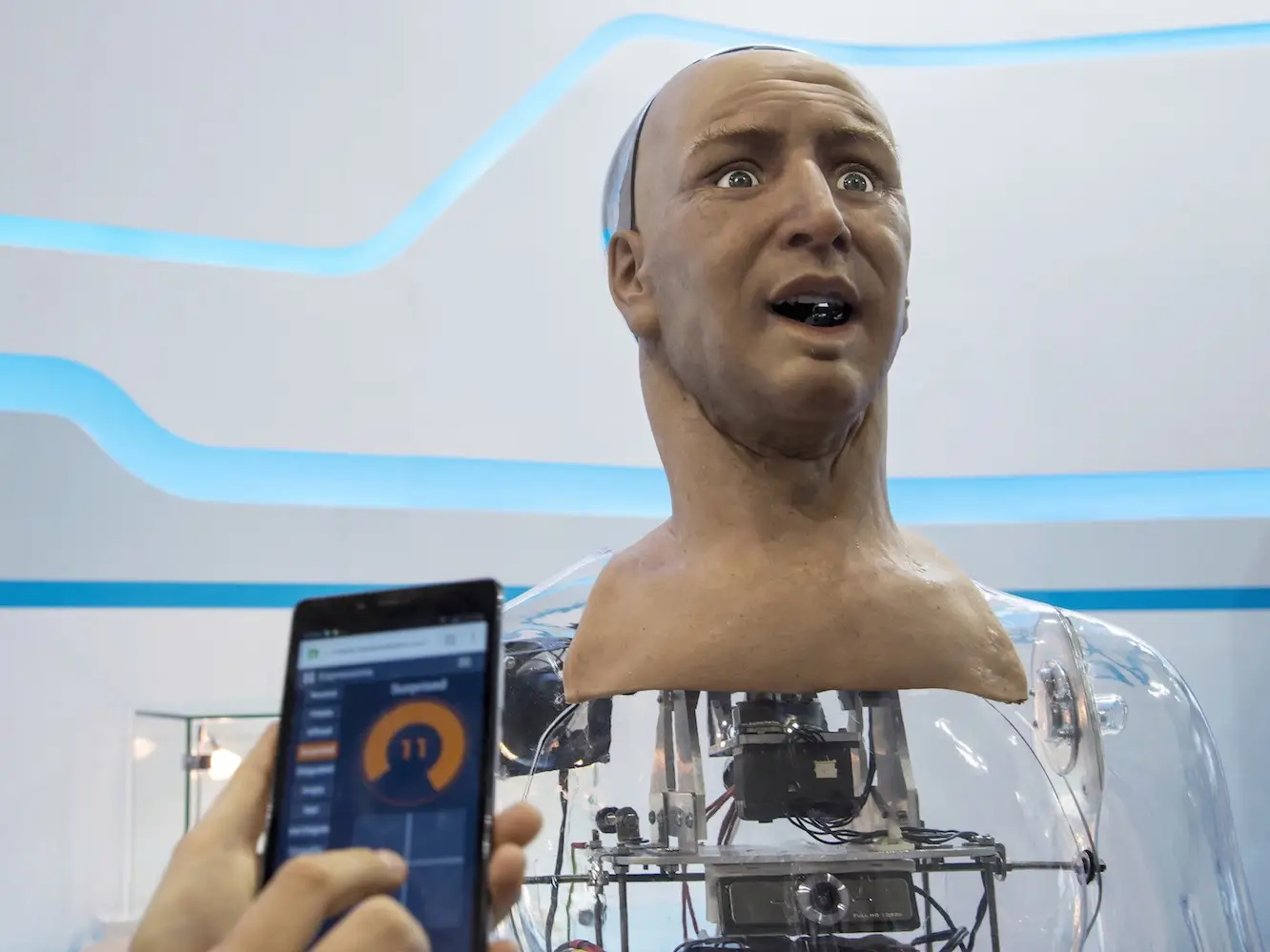

Even while artificial intelligence (AI) is sometimes heralded as the game-changing technology of our day, it is not perfect. The potential for artificial intelligence (AI) to transform industries and improve daily life is undeniable, but so are the obstacles and mistakes that have beset its advancement and application. These errors are referred to as “degenerative AI”—occurring situations in which AI systems fail, malfunction, or have unexpected effects. Let’s examine some of the most recent failures in AI technology and see what they may teach us about the difficulties and constraints of this quickly developing sector.
1. AI Models’ Bias:
The fact that prejudice remains in algorithms is one of the biggest problems facing AI. These biases frequently replicate the preconceptions ingrained in training data, from facial recognition systems that struggle with accuracy across diverse skin tones to AI recruiting platforms that inadvertently favor male candidates. These biases continue to be a major source of failure despite efforts to reduce them, which breeds general mistrust and raises ethical issues.
2. Chatbots Gone Wrong:
Notable chatbot malfunctions have brought attention to the challenges of developing AI capable of meaningful and responsible human-human interaction. The difficulties of creating conversational interfaces are highlighted by the failures of Microsoft’s Tay, which had to be stopped for posting objectionable content, and more modern examples like ChatGPT, which periodically provides erroneous or misleading information
3. Making Excessive Claims but Not Meeting Them:
Numerous AI start-ups and major IT companies have oversold their technologies. Even though it was originally expected that autonomous cars would be widely used by now, they still face difficulties with basic navigation and safety issues. Similarly, artificial intelligence (AI) in healthcare offered to transform diagnosis; nevertheless, a number of AI models have been shown to be unreliable in real-world scenarios or to have failed clinical trials, indicating a discrepancy between expectations and reality.
4. Violations of Privacy and Data Security:
Because AI depends so heavily on data, there are serious privacy and security concerns. Examples of how AI systems have unintentionally revealed private data or been used by bad actors to their advantage show how vulnerable existing AI technology is. Among the notable failures are AI-powered surveillance systems that were compromised, resulting in invasions of privacy on massive scale.
5. Ethical Challenges in AI Implementation:
Considerable ethical controversy has been raised by the use of AI in delicate fields like law enforcement. For instance, algorithms used in predictive policing have come under fire for sustaining racial biases and resulting in unjustified arrests. These examples highlight the ethical challenges of using AI in practical settings where there are serious consequences