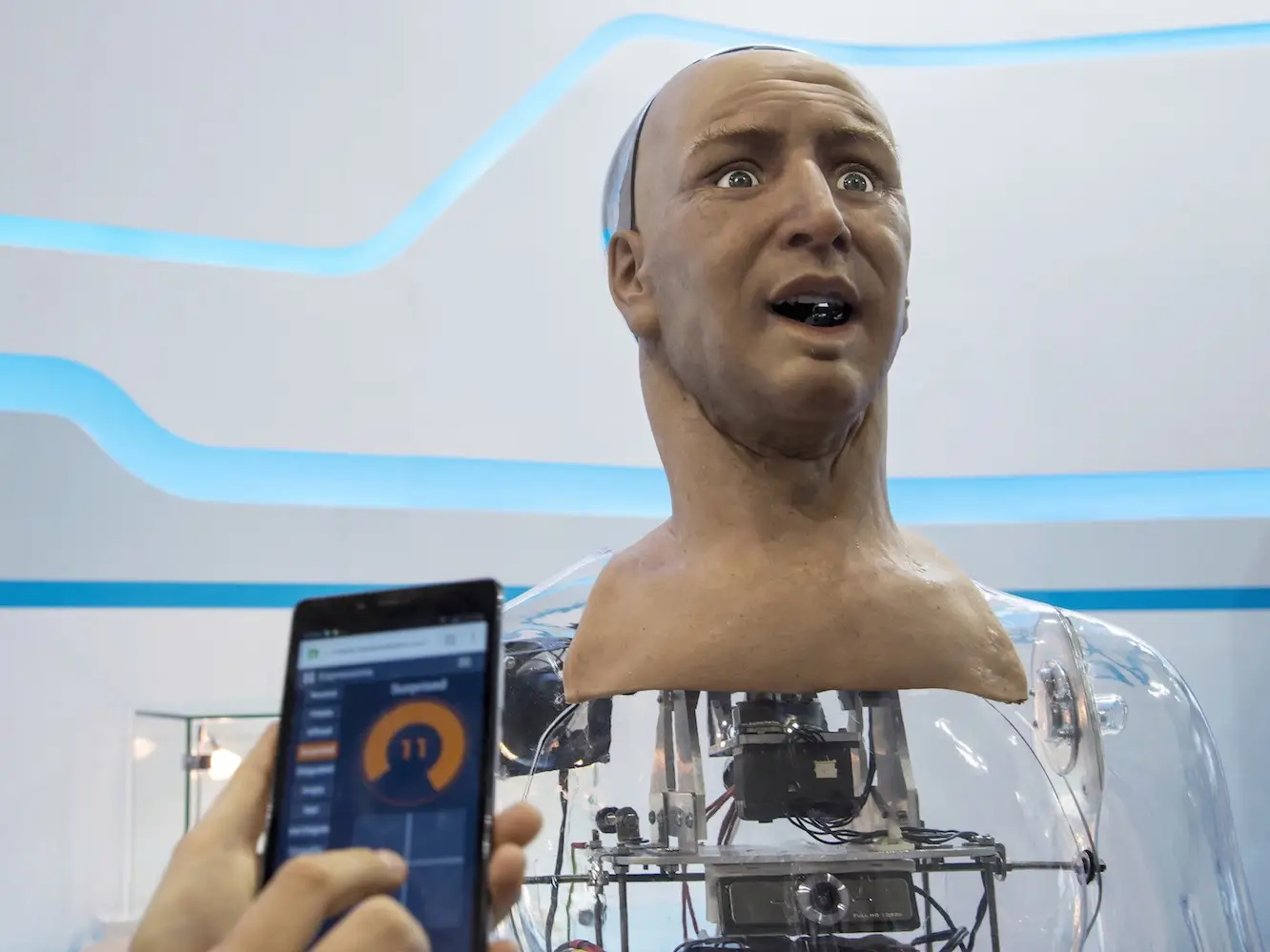

Co-pilots, robotic process automation (RPA), and artificial intelligence (AI) agents are redefining the workplace and daily living. These technologies are improving productivity, streamlining activities, and changing how we interact with digital systems. These innovations—from RPA bots that manage monotonous activities to AI co-pilots that support complicated decision-making—are more than simply catchphrases; they are instruments influencing the direction of intelligent automation in the future.
1. AI Agents: The Future’s Autonomous Helpers:
Artificial intelligence (AI) agents are intelligent systems that can operate alone, make choices, and pick up new skills from other people. These agents span the technological spectrum, from basic virtual assistants like Siri and Alexa to more sophisticated systems capable of managing intricate tasks like data analysis, predictive maintenance in industrial environments, and customer support queries. The real strength of AI agents is found in their capacity to work autonomously, analyze enormous volumes of data, and enhance their performance over time via machine learning.
As AI agents evolve, they are becoming more context-aware, and capable of understanding significant human language, emotions, and even non-verbal cues. This progress is setting the stage for more natural and human-like interactions between users and machines. In the business world, AI agents are being deployed in areas like customer support, where they can resolve queries faster than human agents, and in sales, where they can personalize interactions and improve customer experiences.
2. Co-pilots: Increasing Human Potential with AI Support:
AI co-pilots, who function as intelligent assistants that improve human decision-making and productivity, mark a new chapter in the history of human-computer collaboration. Co-pilots collaborate with people while offering recommendations, insights, and support in real-time, in contrast to AI agents that work alone. For instance, Office 365’s AI-powered co-pilot from Microsoft makes it easier for users to draft emails, make presentations, and analyze data—thereby lightening their cognitive burden.
Co-pilots are particularly valuable in complex fields such as finance, healthcare, and engineering, where the stakes are high and decisions are critical. In healthcare, for instance, AI co-pilots can assist doctors by analyzing patient data, suggesting diagnoses, and recommending treatment options. This collaborative approach ensures that human expertise remains central, while the AI co-pilot amplifies the speed and accuracy of decision-making.
3. Automating Repeatable Tasks with Robotic Process Automation (RPA):
RPA automates repetitive, rule-based processes that are typically completed by humans by using software robots. These duties may include creating reports, onboarding new customers, data input, and processing invoices. RPA bots are perfect for labor-intensive, human error-prone activities since they can work continuously for 24 hours without getting tired.
RPA is appealing since it is scalable and easy to use. RPA bots can be swiftly deployed by businesses without requiring extensive coding modifications or major alterations to their current systems. RPA is therefore assisting businesses in cutting expenses, increasing productivity, and freeing up human labor to concentrate on more strategically important tasks. The development of AI and machine learning is influencing the direction of RPA.
4. The Mergence of RPA, Co-pilots, and AI Agents:
The most interesting advances are coming from the nexus of RPA, co-pilots, and AI agents, where these technologies are coming together to produce automation solutions that are more sophisticated and comprehensive. Consider a scenario where an AI agent manages corporate operations by coordinating RPA bots, while a co-pilot gives human decision-makers real-time information and insights. A new era of hyper-automation is being ushered in by this confluence, allowing enterprises to achieve previously unheard-of levels of accuracy, efficiency, and adaptability.
In conclusion, let’s embrace intelligent automation’s future.
The way we work, live, and engage with technology is changing as AI agents, co-pilots, and RPA develop further. Businesses and individuals may confidently traverse the future and embrace a world where intelligent automation not only increases productivity but also opens up new opportunities by comprehending and utilizing these technologies. The enigma around AI is dissolving in front of our eyes, exposing a world full of creativity and potential.