
In a recent revelation, Meta CEO Mark Zuckerberg has forecasted that smart glasses will become the next major computing platform, potentially replacing smartphones by 2030. This bold prediction underscores Meta’s commitment to pioneering advancements in augmented reality (AR) and wearable technology.
Orion AR Glasses: A Glimpse into the Future:
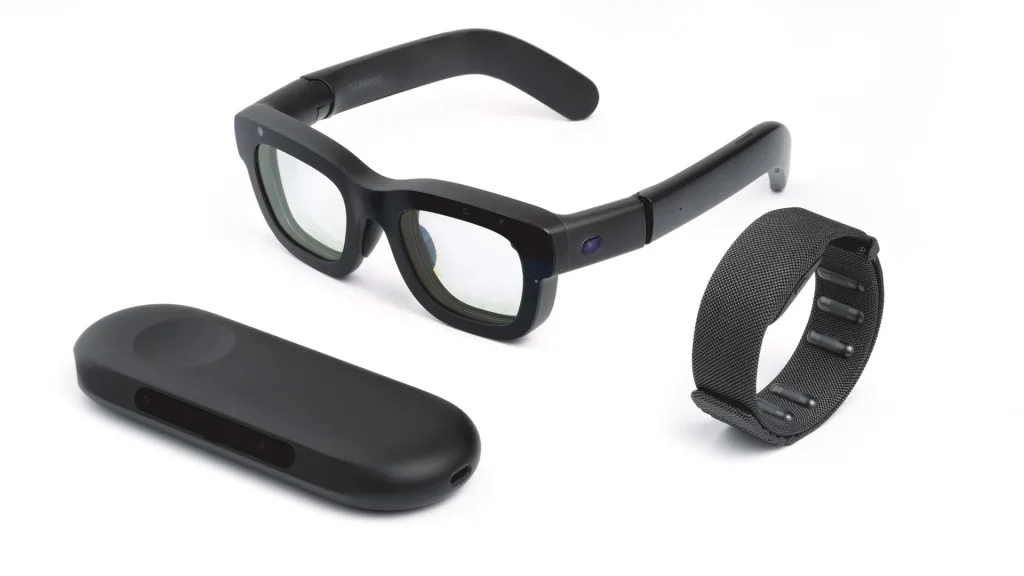
Meta’s latest innovation, the Orion AR Glasses, represents a significant lead in this direction. The first-ever full holographic augmented reality glasses, Orion aims to miniaturize all the computing power needed to project full holograms into the real world. This ambitious project has been developing for over a decade, reflecting Meta’s long-term vision and investment in AR technology.
During an interview with YouTuber Cleo Abram, Zuckerberg emphasized that the trend in computing is towards becoming more ubiquitous, natural, and social.
He stated, “The goal is to make computing more natural and social, and smart glasses are a big step in that direction.”
Key Features and Functions:
The Orion AR Glasses are designed to offer a range of advanced features that could revolutionize everyday tasks. Some of the notable capabilities include:
Real-Time AI Video Processing: Users can ask the glasses questions about their surroundings, and Meta’s AI will provide real-time answers.
Live Language Translation: The glasses can translate conversations in real-time, breaking down language barriers and facilitating smoother communication.
Reminders and QR Code Scanning: These features allow users to set reminders and scan QR codes directly through the glasses, enhancing convenience and productivity.
The Road Ahead:
While the Orion AR Glasses are still in the prototype stage, Zuckerberg expressed optimism about their future. He hopes that the next version will be a consumer product available to a wide audience. The unveiling of these glasses at the Meta Connect 2024 event has already garnered significant attention from analysts and tech enthusiasts, who see them as a potential game-changer in the computing landscape.
Meta’s vision for smart glasses extends beyond just a new device; it represents a shift towards more integrated and immersive technology.
As Zuckerberg pointed out, “We want to create a platform that feels natural and enhances social interactions.”
Mark Zuckerberg’s prediction that smart glasses could replace smartphones by 2030 is a testament to Meta’s ambitious vision for the future of computing. The development of the Orion AR Glasses highlights the potential of AR technology to transform our interactions with the digital world. As Meta continues to innovate and refine these devices, the next decade could see a significant shift in how we perceive and use technology.
Smart glasses, with their promise of seamless integration and enhanced social interactions, may be the next big thing in computing. Whether they will fully replace smartphones, but one thing is clear: the future of technology is set to be more immersive and interconnected than ever before.