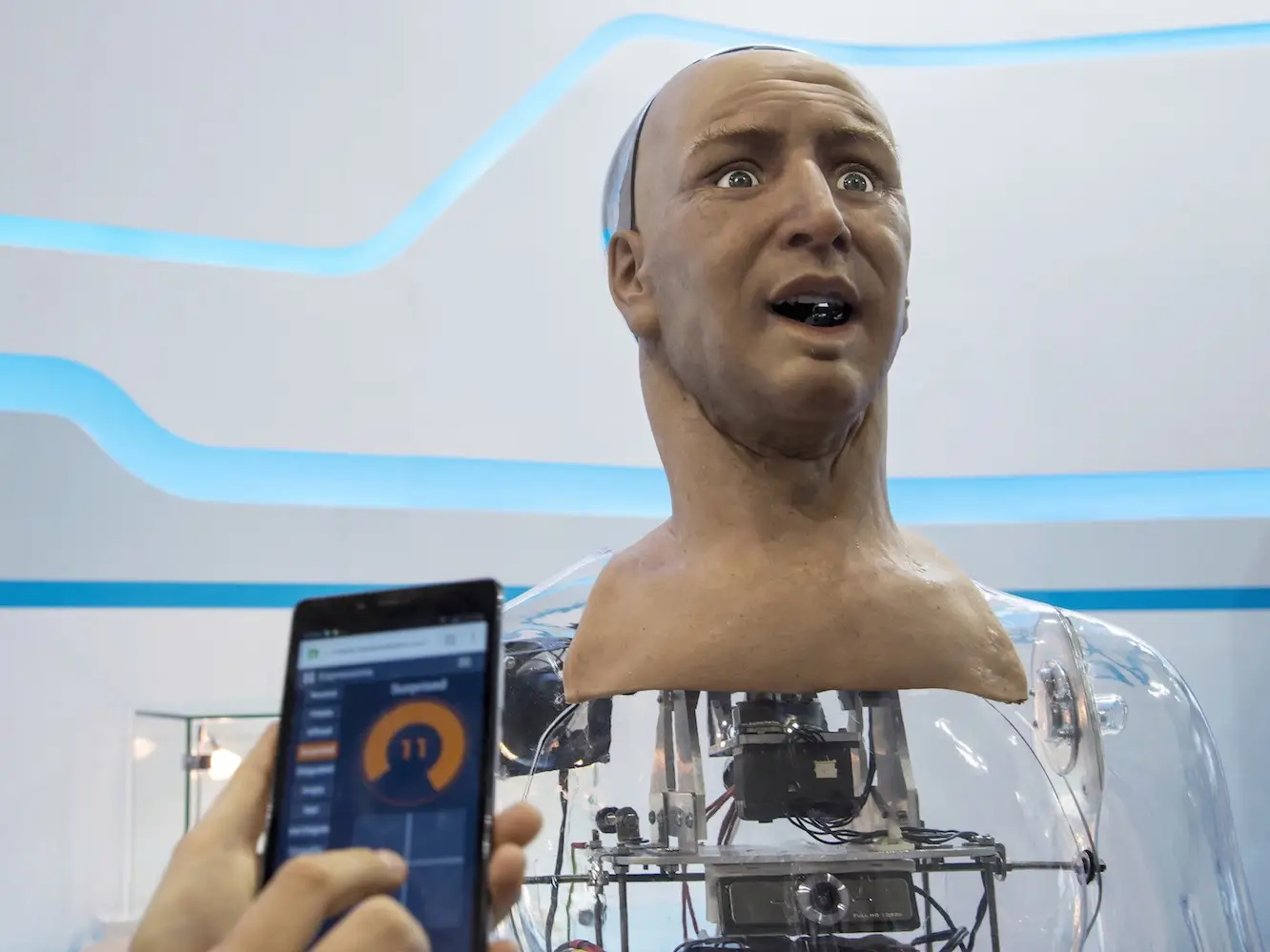

In the ever changing field of writing, a new query has surfaced: Is it possible for AI writing tools and human writers to get along? Writing is one of the areas that artificial intelligence (AI) technology is transforming as it develops. Is it possible that writing by humans may eventually become outdated, though? The actual situation is significantly more complex, and it will be essential for content production in the future to comprehend how artificial intelligence and human creativity may work in tandem.
1. The Development of Artificial Intelligence Writing Tools:
Recent years have seen notable advancements in AI writing tools, including GPT models and other natural language processing methods. With very little assistance from a human, these systems can produce content, make recommendations, and even write full articles. Their ability to swiftly analyze large volumes of information makes them valuable for jobs like producing marketing copy, outlines for content, and report authoring.
▪ Advantage of AI in Writing:
AI tools offer several benefits, including efficiency, consistency, and scalability. For businesses, these tools can streamline content creation, reducing the time and cost associated with producing high-quality text. AI can also assist in overcoming writer’s block by providing inspiration or initial drafts that human writers can then refine. Furthermore, AI can analyze data trends to generate content that is optimized for search engines or tailored to specific audiences.
2. The Human Touch: The Significance of Authors Today
▪ Emotional intelligence and creativity:
Human writers contribute a degree of originality and emotional intelligence that machines cannot match, despite AI’s amazing skills. Writers bring distinct viewpoints, firsthand knowledge, and cultural complexity that AI cannot match to their writing. It is still distinctly human strength to be able to weave tales that captivate readers, arouse their emotions, and establish a strong connection with them.
▪ Morality and Sincerity:
Content produced by AI poses concerns regarding ethics and authenticity. Content created by human writers is guaranteed to be unique, ethically sourced, and consistent with the principles of the company they work for. For their job to remain credible and trustworthy, they must contribute moral judgment and a sense of accountability.
3. Striking a Balance: Teamwork vs Competition:
▪ Using AI as an Instrument:
Human writers should consider AI as a useful tool that can improve their work, not as a rival. Writing staff members can concentrate on more strategic and creative aspects of article development as AI takes care of data-driven or repetitive duties. An AI system, for instance, can produce a technical document’s initial draft, which a writer can then edit with their own expertise and style.
▪ Establishing Synergy:
Writing’s future rests in the convergence of artificial intelligence and human ingenuity. Writers and AI tools can work together to create material that is both highly engaging and efficient. AI can be used by writers to manage repetitive activities so they can spend more time creating, narrating, and improving their work. Higher-quality material and more creative communication strategies may result from this collaboration.
Conclusion: A Collaborative Future:
AI writing tools offer valuable support and efficiency, but human writers provide the creativity, emotional depth, and ethical considerations that machines cannot. By embracing a collaborative approach, we can harness the strengths of both AI and human writers to create richer, more compelling content. The future of writing is not about competition but about collaboration, and together, AI and human writers can achieve remarkable things.